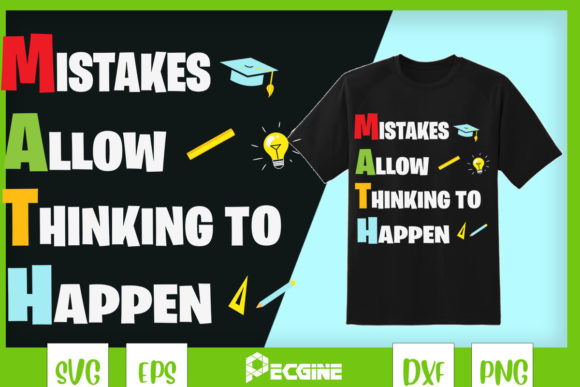
Mistakes Allow Thinking to Happen Math
As an embroidery designer and product reviewer, I’ve seen my fair share of digital files that promise a lot but deliver little. Mistakes Allow Thinking to Happen Math is one of those designs that feels like it was made with real-world use in mind. The concept is simple—emphasizing the value of mistakes in learning—but the execution requires careful consideration when translating it into an actual embroidery project.
The First Impression: A Design That Speaks Volumes
From the moment I opened the ZIP file, I was struck by the clarity and intention behind Mistakes Allow Thinking to Happen Math. The design has a clean, modern aesthetic that works well for both casual and professional settings. It’s not overly complex, which makes it versatile for different types of projects. The layout is balanced, with a central focus on the phrase itself, making it easy to read even when stitched at smaller sizes.
The visual personality of the design leans toward educational and motivational themes. It’s perfect for items like tote bags, sweatshirts, or baby onesies where the message can be both functional and meaningful. The design’s simplicity also means it can be adapted for various color schemes without losing its impact.
Real-World Embroidery Use Cases
When I think about where Mistakes Allow Thinking to Happen Math would shine, I imagine it on a custom embroidered tote bag for a classroom or a personalized sweatshirt for a teacher. It could also work well as a patch for a backpack or a jacket, adding a unique touch to a handmade product. For small business owners or Etsy sellers, this design offers a way to create something that resonates emotionally with customers.
It’s also ideal for holiday gifts or personalized presents. The message is universal enough to appeal to a wide audience while still feeling thoughtful and intentional. Whether it’s used on a kitchen towel, a pillow cover, or a cap, Mistakes Allow Thinking to Happen Math adds a layer of depth that goes beyond just decoration.
Where to Be Cautious: Design Limitations
While Mistakes Allow Thinking to Happen Math is a strong design, there are areas where it may not perform as well. For example, if you’re working with small hoop sizes, the design might require splitting into sections, which can complicate the stitching process. Similarly, on textured or stretchy fabrics, the details may not come out as clearly as they would on a smooth, stable material.
Thin or dark fabrics can also pose challenges. If the design is stitched in a light thread color on a dark background, the contrast may be too subtle. On the flip side, using a dark thread on a light fabric could make the text less readable. It’s important to test the design on your intended fabric before committing to a full project.
Visual Appeal and Stiching Clarity
Mistakes Allow Thinking to Happen Math has a high level of visual appeal when executed properly. The balance between negative space and text ensures that it doesn’t look cluttered, even when stitched in a larger format. However, the clarity of the stitching depends heavily on the stitch density and the type of stitches used.
If you’re using satin stitch for the letters, the edges will be sharp and defined. Fill stitches can add a bit more texture but may require more stabilizer to prevent puckering. Running stitch is less common for this kind of design, but it could work for a more rustic or handcrafted look. Whatever method you choose, testing on scrap fabric first is always a good idea.
Impact on Product Value and Customer Trust
For small shop owners or crafters, Mistakes Allow Thinking to Happen Math offers a way to create a product that stands out. The design’s message adds emotional value, which can increase customer engagement and make the finished product more desirable. When customers see a design that speaks to their values or experiences, they’re more likely to connect with it and recommend it to others.
Handmade presentation is key here. A well-executed embroidery project with Mistakes Allow Thinking to Happen Math can feel personal and authentic, which is essential for building trust with buyers. Whether it’s used in a printable mockup or as part of a digital product preview, the design’s versatility helps maintain brand consistency across different platforms.
Practical Designer Notes: What to Check Before Using
Before finalizing any project with Mistakes Allow Thinking to Happen Math, I recommend doing a few quick checks. First, test the design on a scrap piece of fabric to see how the stitches look in real life. This will help you determine if the thread colors provide enough contrast and if the stitch density is appropriate for the fabric type.
Also, make sure the design fits within your hoop size. If it’s too large, you may need to split it into sections, which can affect the overall appearance. Pay close attention to small details, especially if the design includes tiny lettering or intricate corners. These elements can be tricky to execute perfectly, so a little extra care goes a long way.
Finally, confirm that the design is licensed for commercial use if you plan to sell finished products or digital files. Even though the product description mentions a ZIP file with SVG, PNG, DXF, and EPS formats, it’s always wise to double-check the terms before using it in a business context.
Final Thoughts: A Design That Encourages Reflection
Mistakes Allow Thinking to Happen Math is more than just a pretty design—it’s a statement. As an embroidery designer, I appreciate when a file has the potential to create meaningful connections with end users. Whether it’s used on a custom apparel item, a personalized gift, or a small shop product, this design has the power to inspire and engage.
With the right approach, Mistakes Allow Thinking to Happen Math can elevate your embroidery projects and help you stand out in a competitive market. Just remember to test, adapt, and respect the limitations of the design to ensure the best possible outcome for your clients and customers.