Hand Drawn Beautiful Pattern: Graphics for Crafts and Branding
As a brand designer and content marketer, I often look for design assets that can elevate a campaign without overwhelming the audience. Hand Drawn Beautiful Pattern is one such graphic design asset that offers both creative flair and practical utility for marketing, branding, and visual content creation.
The First Impression: A Warm and Playful Mood
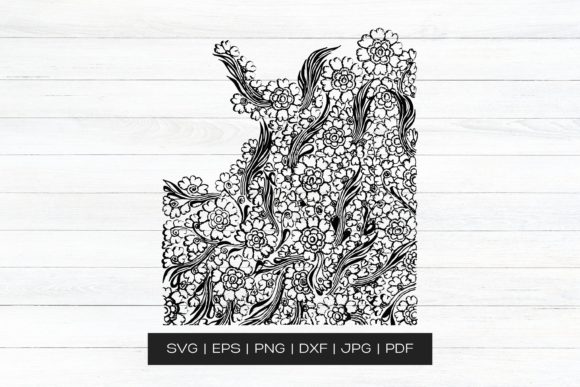
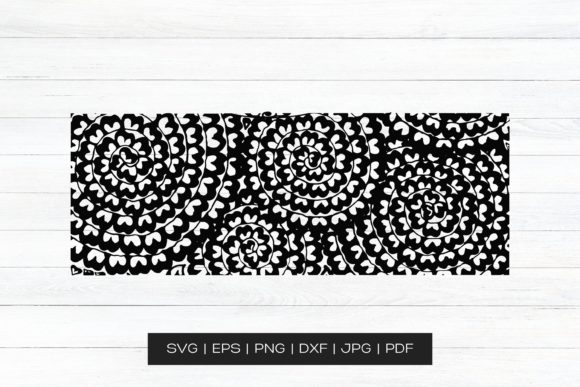
When I first encountered Hand Drawn Beautiful Pattern, it immediately evoked a sense of warmth and creativity. The organic shapes and soft lines create a friendly, approachable mood that feels perfect for casual branding, handmade products, or lifestyle content. It doesn’t feel overly formal or rigid, which makes it ideal for brands aiming to connect with a more relaxed, authentic audience.
This design asset has an emotional tone that leans toward nostalgia and whimsy, making it a great fit for seasonal promotions, event visuals, or editorial graphics. Its hand-drawn aesthetic adds a personal touch that can help small businesses stand out in a crowded digital space.
Real-World Applications in Marketing and Branding
Hand Drawn Beautiful Pattern can be used across a wide range of marketing and branding scenarios. From brand identity to packaging design, this graphic design asset provides a consistent visual language that supports cohesive campaigns. For example, a small business launching a new product line could use this pattern as a background for social media graphics, email banners, or even packaging inserts.
In digital ads, Instagram posts, and Facebook ads, this design element can serve as a subtle yet effective way to reinforce brand recognition. It also works well in Canva templates, allowing content creators to quickly build visually appealing materials without sacrificing professionalism.
For bloggers and publishers, this printable design can be incorporated into blog headers, lead magnets, or content bundles. Its versatility makes it a valuable addition to any creative design toolkit.
Supporting Marketing Goals with Visual Consistency
One of the key strengths of Hand Drawn Beautiful Pattern is its ability to support stronger first impressions and clearer visual hierarchy. When used thoughtfully, it helps guide the viewer’s eye through a design, ensuring that the main message remains prominent while still maintaining an engaging aesthetic.
This design asset also enhances audience trust by creating a more polished and professional appearance. Whether it’s used in web design, editorial layouts, or digital product visuals, it adds a layer of sophistication that can make a brand feel more credible and established.
For small business branding, this pattern can be a game-changer. It allows entrepreneurs to create a cohesive look across all marketing channels, from social media covers to promotional banners, without needing to rely on complex design tools.
Where It Shines: Hero Graphics and Campaign Headers
Hand Drawn Beautiful Pattern excels in hero graphics, campaign headers, and product launch visuals. These are the moments where first impressions matter most, and this design asset delivers a strong, memorable presence. It can be used as a backdrop for landing pages, social media covers, or event flyers to draw attention and set the tone for a campaign.
It also pairs well with branded templates, making it easy to maintain visual consistency across different formats. For content marketers building a content kit, this design asset can be a central element that ties together blog graphics, Pinterest pins, and email newsletters.
Where to Use It Carefully: Formal and Text-Heavy Designs
While Hand Drawn Beautiful Pattern is versatile, it may not be the best choice for formal corporate branding or dense information layouts. In these cases, the design could compete with the main message, making it harder for the audience to focus on key details.
Similarly, it should be used with caution in small mobile graphics or low-contrast backgrounds. The intricate details might not translate well in these situations, leading to a less readable or unprofessional appearance.
For overly minimal brands or text-heavy ads, this design asset could feel out of place. It’s important to consider the overall tone and goals of the campaign before incorporating it into the design.
Practical Designer Notes: Testing and Integration
Before using Hand Drawn Beautiful Pattern in a real campaign, I recommend testing it with your brand color palette. This will help ensure that it complements your existing visuals rather than clashing with them.
Check how it looks in black and white, and preview it on mobile screens to confirm that it remains legible at smaller sizes. Place it inside real campaign mockups to see how it interacts with other elements like text, logos, and call-to-action buttons.
Also, compare it against competitor visuals to ensure that your design stands out in a unique and compelling way. Test it with different font styles—serif, sans serif, script, handwritten, and display fonts—to find the best pairing for your brand voice.
Finally, always review the commercial license before using this design asset in paid campaigns, client work, or business branding. Make sure it aligns with your intended use and that you have the necessary rights to distribute or sell it if needed.
Why Hand Drawn Beautiful Pattern Matters for Creative Entrepreneurs
For content creators, small business owners, and digital sellers, Hand Drawn Beautiful Pattern offers a powerful tool for enhancing visual storytelling. It’s a design asset that can bring personality and charm to a campaign without sacrificing professionalism.
Whether you’re building a brand identity, designing packaging, or creating social media graphics, this pattern provides a reliable foundation for consistent and engaging visuals. It’s a great example of how a simple design can have a big impact when used correctly.
By integrating this graphic design asset into your workflow, you can create marketing materials that resonate with your audience, strengthen brand recognition, and support your overall business goals.