Bee: A Versatile Embroidery Design
As an embroidery designer and product reviewer, I’ve seen my fair share of digital files. But when I came across the Bee design, I was immediately drawn to its simplicity, charm, and potential for real-world use. This is a design that feels like it was made with practicality in mind—perfect for small business owners, crafters, and creative entrepreneurs looking for a reliable addition to their design library.
The First Impression: A Design That Speaks Volumes
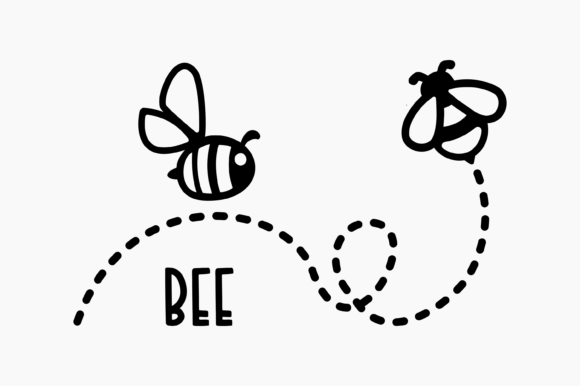
The Bee design has a clean, modern aesthetic that’s both approachable and professional. Its shape is well-proportioned, with a soft, rounded body and delicate wings that give it a sense of motion. The layout is balanced, making it ideal for a variety of applications—from simple t-shirt embroidery to more intricate projects like baby clothes or personalized gifts.
The detail level is just right. It’s not overly complex, which means it works well on smaller hoop sizes and doesn’t require excessive stitch density. This makes it a great choice for beginners and experienced embroiderers alike. The visual personality of the Bee is friendly and inviting, making it a natural fit for products aimed at families, children, or nature-loving customers.
Bee in Real-Life Embroidery Situations
When I tested the Bee design on a custom tote bag, it looked sharp and polished. The satin stitch used for the body gave it a smooth, professional finish, while the fill stitch in the wings added depth without overwhelming the design. It worked equally well on a sweatshirt, where the contrast between the thread color and fabric made the design stand out.
I also tried it on a baby onesie, where the simplicity of the design made it safe and appropriate for a child’s clothing. The size was perfect for a small patch, and the details were clear enough to be recognizable even from a distance. For a holiday gift, the Bee design could easily be adapted into a festive ornament or a decorative pillow cover, adding a touch of whimsy to any space.
For a small shop product, the Bee design offers versatility. It can be used as a standalone embroidered patch, a printed mockup for a printable design, or part of a larger collection. As an Etsy seller, I’d feel confident using this design in my listings, knowing it would appeal to a broad audience without requiring too much customization.
Where to Use Bee Carefully
While the Bee design is generally easy to work with, there are a few situations where extra care is needed. On small hoop sizes, the design might need to be split into sections to ensure all details are captured properly. On textured fabrics, such as denim or canvas, the stitch density may need adjustment to prevent puckering or distortion.
Thin or stretchy fabrics can also be a challenge. The Bee design isn’t overly dense, but it still requires proper stabilizer to maintain its shape. On dark fabrics, the thread color should be chosen carefully to ensure visibility. For curved surfaces like caps or hats, the design might need slight adjustments to maintain its symmetry and balance.
Small details, such as the wings or facial features, should be inspected closely before stitching. If the design is going to be used on a product that will be washed frequently, the stitch density and stabilizer choice become even more important to ensure longevity.
Bee’s Impact on Visual Appeal and Customer Trust
The Bee design adds a sense of professionalism to any finished product. Its clean lines and thoughtful composition make it look like a high-quality embroidery file, which can help build trust with customers. When used on custom apparel or handmade items, it enhances the overall presentation, making the product more appealing and marketable.
For a small business or craft shop, this design can increase the perceived value of a product. Customers often associate well-designed embroidery with quality craftsmanship, and the Bee design delivers on that promise. It’s also a great tool for brand consistency, especially if you’re building a collection of nature-themed designs.
As a personalized gift, the Bee design is versatile enough to work on a wide range of items. Whether it’s a mug, a towel, or a baby blanket, it adds a unique and thoughtful touch that customers will appreciate. Its universal appeal makes it a safe choice for a wide audience, increasing the chances of repeat purchases and positive reviews.
Practical Designer Notes for Using Bee
Before using the Bee design in your next project, I recommend testing it on scrap fabric first. This will help you understand how the stitches interact with different materials and allow you to adjust settings as needed. Checking the thread color contrast is also essential—especially if you plan to use the design on dark or light backgrounds.
Reviewing the stitch density and confirming the hoop size will help you avoid common issues like puckering or incomplete stitching. Inspecting small details, such as the wings or facial features, ensures that nothing is lost in the embroidery process. Testing the design in black and white mockups can also help you see how it looks without color, which is useful for print-on-demand or digital product previews.
Finally, always check the licensing terms before selling finished items or digital products. While the Bee design seems to offer unlimited use, it’s always good to confirm the specifics to avoid any legal issues down the line.
Conclusion: A Reliable Choice for Creative Projects
The Bee design is a solid addition to any embroidery file library. It’s versatile, easy to work with, and visually appealing, making it suitable for a wide range of projects. Whether you’re creating custom apparel, personalized gifts, or small shop merchandise, this design has the potential to elevate your work and attract a loyal customer base.